



How to avoid being scammed by fake web pages
By Frederick Scholl October 07, 2020
By Frederick Scholl October 07, 2020

According to ZDNet, there around 1.4 million new phishing sites launched per month. Of those, tens of thousands are devoted to new COVID scams. Because we are all online more these days, it becomes even more important to spot fake sites.1
This blog post will outline some ways to surf safely. There are two categories of cyber threat: technical and human. There are also two categories of cyber defense here: technical and human. The human defense is you.
On the technical side, you should look for suspicious domain names and missing padlocks. On the human side, you need to engage your reasoning and critical thinking skills to evaluate the website’s content.
Technology will generally keep you away from questionable domains, but hackers are always able to game the system. It is readily possible for your computer to be infected just by surfing to an infected web site.
This is the so-called “drive by download”. Reputable sites do everything they can to prevent themselves from being malware spreaders; less reputable sites may be less diligent.
Suspicious domain names come in different guises, like the proverbial wolf in sheep’s clothing. They have in common the goal to fleece you.

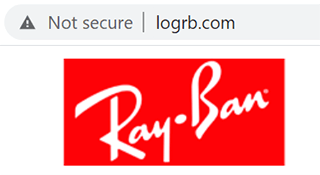
On the human side, you need to constantly be on the lookout for fraudulent, suspicious or illegal content. Here are a few examples:

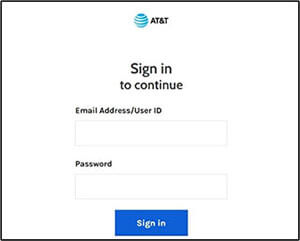
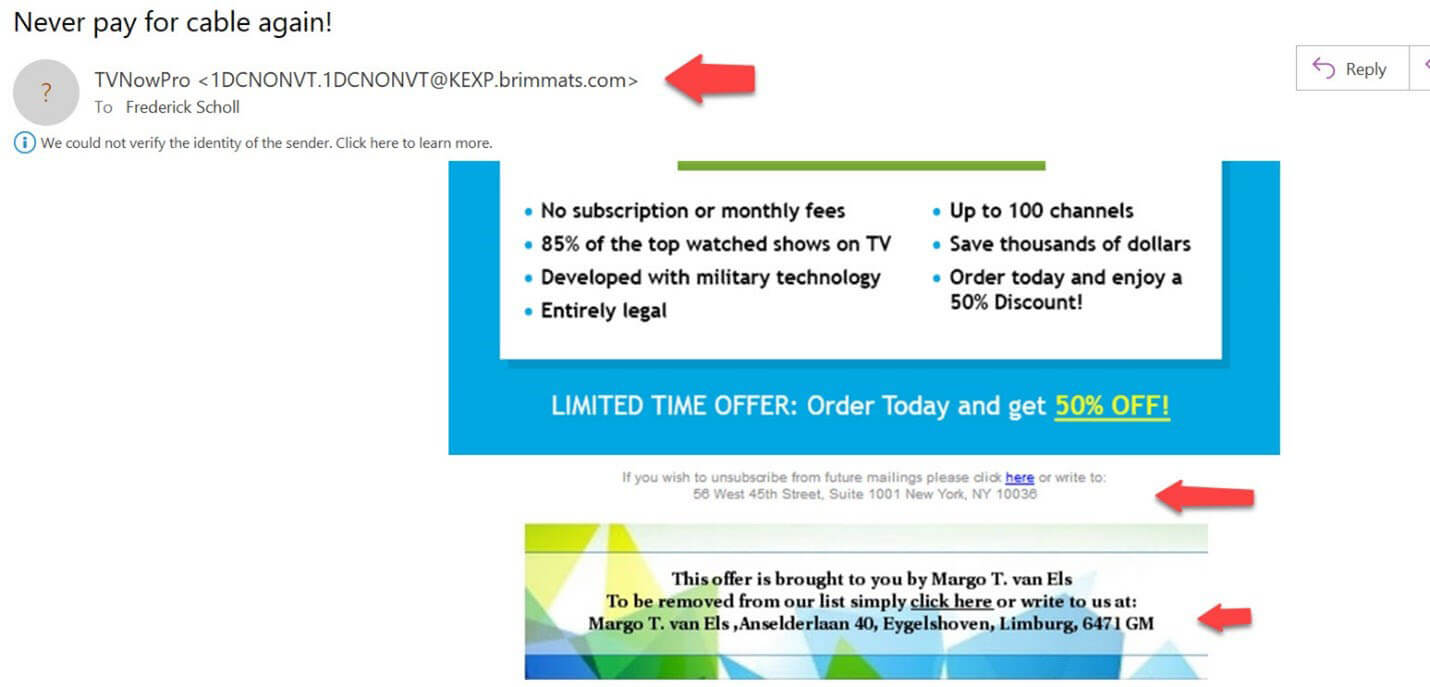
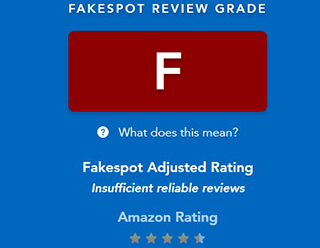
After receiving the book, I decided it had been computer generated and had no value. Looking more carefully at the reviewers I saw they were all fake. I then went to www.fakespot.com to doublecheck and my suspicions were confirmed.
The book and its reviews were totally bogus.
In summary, you need to be constantly vigilant. Why? Scammers are aware of technical countermeasures and are constantly seeking and finding ways around them. They will continue to mutate their tactics, always going to where the money is.
There is no other silver bullet to protect you.
Quinnipiac’s online MS in Cybersecurity program trains technically proficient security defenders. Learn more about how the MS in Cybersecurity can give you the necessary skills to pursue a career in the security vendor space.
1www.which.co.uk “How to spot a fake, fraudulent or scam website”.
2Checking sevelop.eu on whois.com shows a hidden registrant name.





Quinnipiac Today is your source for what's happening throughout #BobcatNation. Sign up for our weekly email newsletter to be among the first to know about news, events and members of our Bobcat family who are making a positive difference in our world.
Sign Up Now